

SPUCG: Otvorena konferencija KOMPASS – zajedno pokrećemo promjene
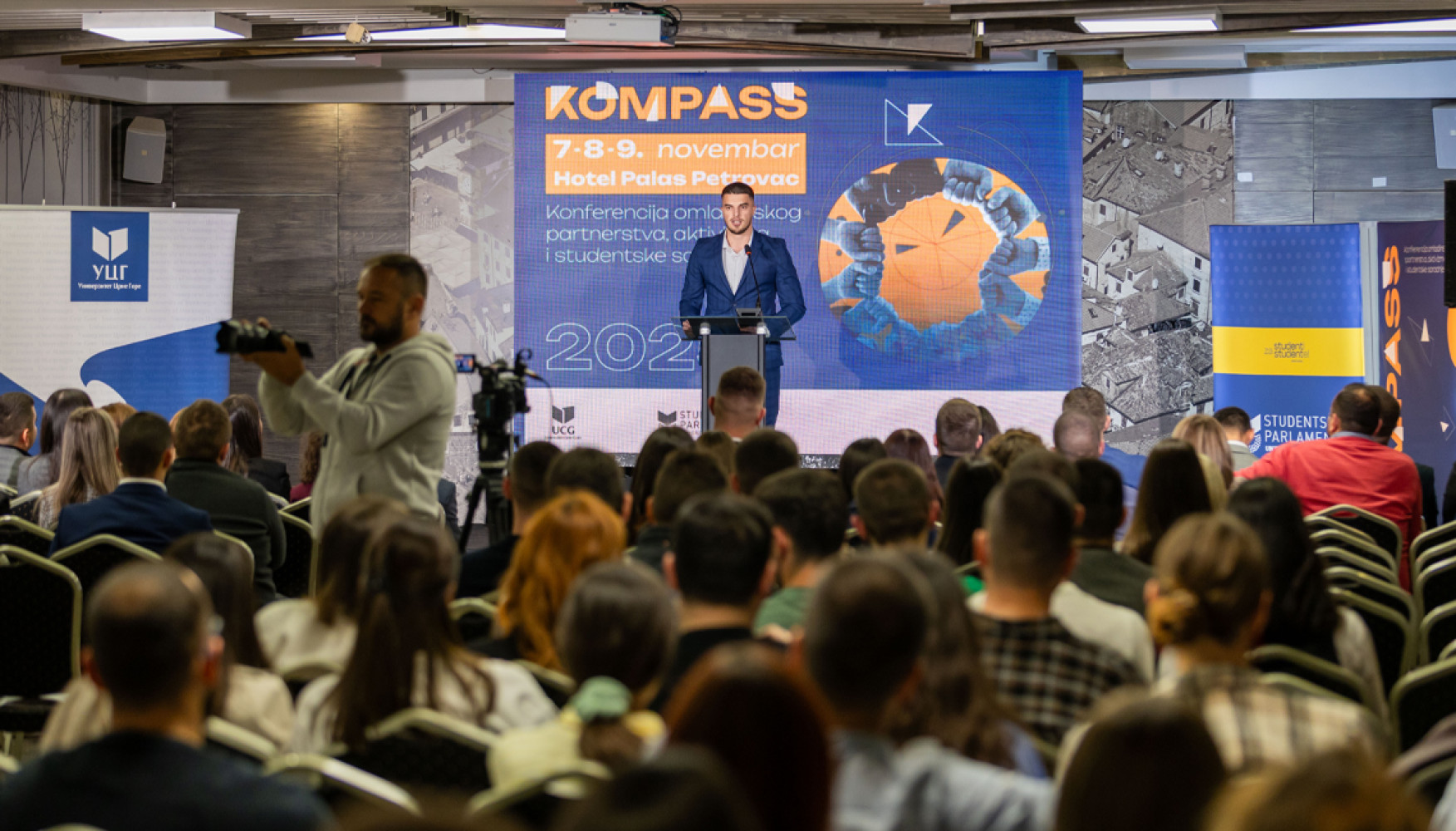
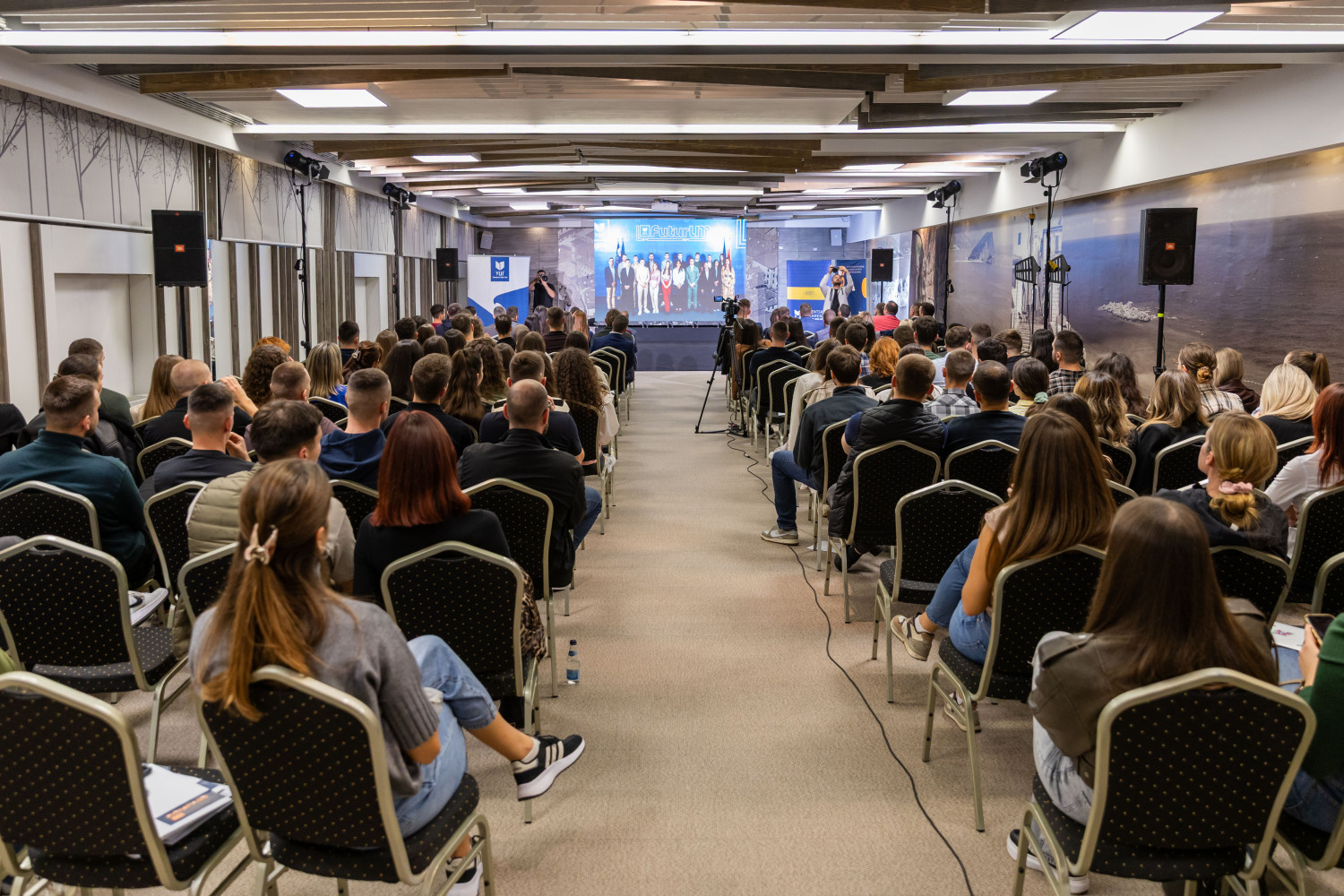



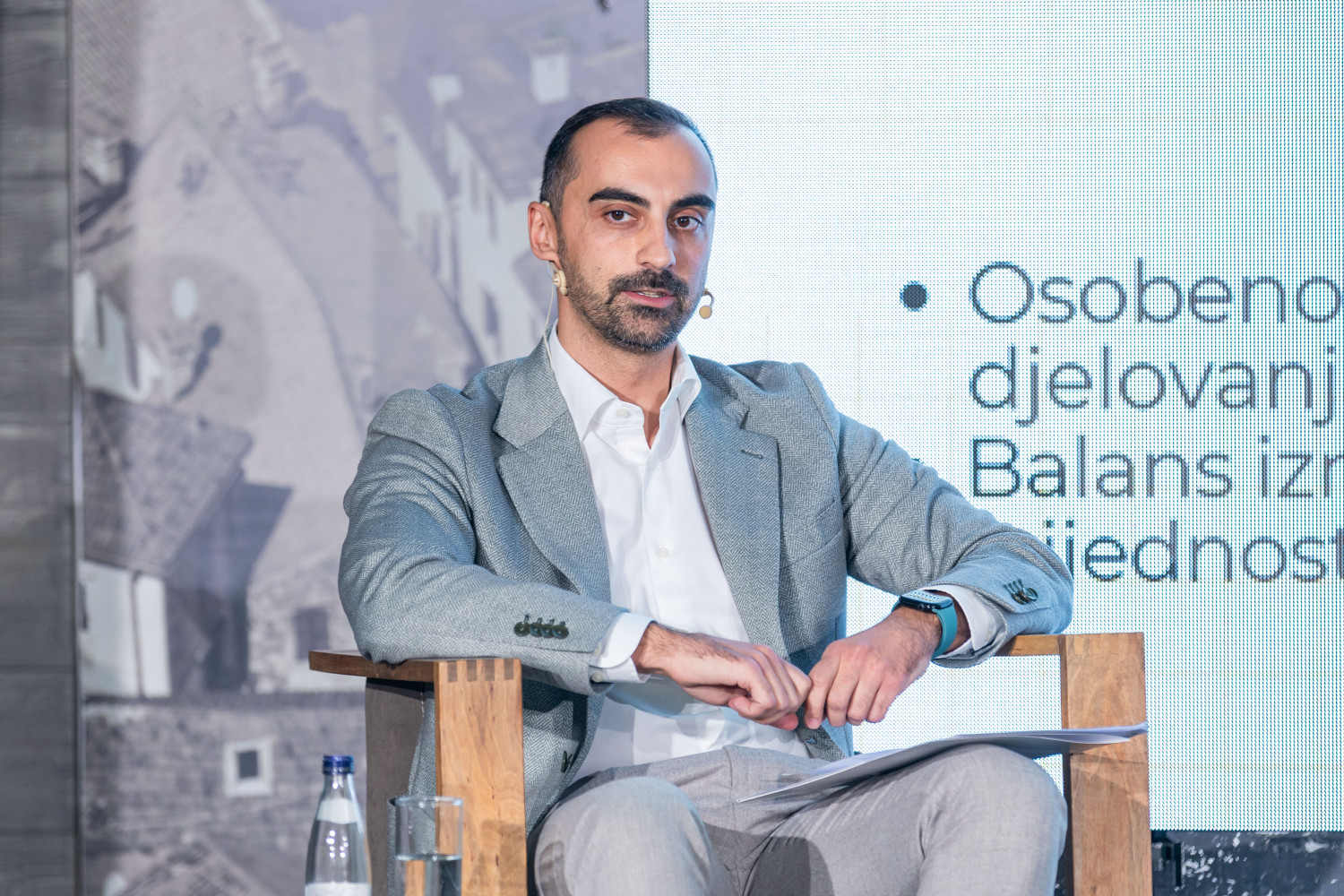

U vremenu kada se društvo mijenja brže nego ikada, studenti imaju odgovornost da kroz liderstvo i aktivizam ne budu samo posmatrači tih promjena, već njihovi njihovi pokretači, poručeno je na otvaranju Konferencije omladinskog partnerstva, aktivizma i studentske saradnje, koju je organizovao Studentski parlament Univerziteta Crne Gore (SPUCG), u saradnji sa Univerzitetom Crne Gore.
Predsjednik SPUCG, Jakov Vukčević istakao je da konferencija, koja se po prvi put organizuje, nije samo akademsko okupljanje, već prilika za izgradnju mostova, jačanje prijateljstava i zajedničko usmjeravanje studentske energije ka pozitivnim društvenim promjenama.
„Aktivizam i studentska saradnja nisu samo riječi koje koristimo u svakodnevnom govoru, one su naš moto, naša snaga i pokretač naših inicijativa“, kazao je Vukčević.
Govoreći o ulozi studenata u savremenom društvu, Vukčević je poručio da mladi moraju biti aktivni učesnici u procesima promjena.
„Društvo se mijenja brže nego ikada, a to zahtijeva promjene i u kontekstu studentskog liderstva i aktivizma. Naša je odgovornost da doprinesemo tim promjenama, da ne budemo samo posmatrači, već i oni koji ih stvaraju“, rekao je Vukčević.
Prema njegovim riječima, cilj konferencije je da učesnicima pruži konkretne alate i vještine koje će im pomoći da prepoznaju prilike, organizuju događaje, kreiraju inicijative i unaprijede studentski i društveni život. Tokom trajanja konferencije u Petrovcu, studenti će imati priliku da učestvuju na predavanjima i radionicama posvećenim razvoju aktivizma i liderstva.
„Najvažnija lekcija koju želim da ponesete sa sobom jeste da jedan student može da pokrene promjenu, ali zajedno možemo učiniti da se ona desi. Naša snaga nije samo u broju, već u sposobnosti da sarađujemo i podržavamo jedni druge“, poručio je Vukčević.
Podsjetio je da su studentske inicijative kroz istoriju bile pokretač brojnih društvenih, političkih i kulturnih promjena.
„Naša odgovornost nije samo da učimo, već i da prepoznamo probleme, kreiramo održiva rješenja i borimo se za njihovu realizaciju“, istakao je Vukčević.
Otvaranju konferencije je prethodilo predavanje „Efikasno studentsko liderstvo – dobri primjeri iz prakse“, koje su vodili alumni SPUCG Andrej Vukčević i Rajko Golović.
Vukčević je istakao da je liderstvo „vrlo kompleksna i ozbiljna stvar“ i da ne treba da se svodi na formalnu funkciju.
„Biti lider ne znači držati bilo kakvu poziciju. Mnogi ljudi imaju funkcije, ali nisu lideri. Pravi lider je onaj koji prepoznaje da je vođenje ljudi prije svega velika odgovornost“, rekao je Vukčević.
Dodao je da lider mora da ima karakter, inicijativu i spremnost da preuzme odgovornost za postupke, kao i da ne smije izgubiti kontakt sa onima koje predstavlja.
„Efikasnost lidera mjeri se rezultatima i promjenama koje donese zajednici. Oni možda neće biti vidljivi odmah, ali ako postavite temelje na kojima drugi mogu da grade – uspjeli ste“, poručio je Vukčević.
Govoreći o značaju studentskog djelovanja, Vukčević je podsjetio na studentske proteste iz 2011. godine, čiji su rezultati, kako je naveo, i danas vidljivi.
„Rezultat tih protesta bio je, između ostalog, Program stručnog osposobljavanja koji svi danas koristimo. To pokazuje koliko jedan iskren i ozbiljan studentski angažman može imati dugoročne posljedice“, kazao je Vukčević.
Smatra da je najveća snaga studentskog pokreta u zajedništvu.
„Sam lider ne može ništa postići ako nije okružen ljudima koji dijele iste vrijednosti i ciljeve. Uvijek sam se najbezbjednije osjećao okružen ljudima koji misle slično, koji su vjerovali u iste ideje i bili spremni da ih zajedno brane“, naveo je Vukčević.
Kroz konkretne primjere iz prakse, Vukčević je govorio o radu studentskih organizacija na unapređenju Zakona o visokom obrazovanju i usklađivanju studijskih programa sa tržištem rada.
„Kada smo prije pet godina počeli da ukazujemo na nesklad između obrazovanja i potreba tržišta rada, mnogima je to zvučalo kao daleki problem. Danas je to tema broj jedan. Uspjeli smo da u zakon ugradimo rješenja koja studentima omogućavaju da samostalnije oblikuju svoj akademski i profesionalni razvoj“, kazao je Vukčević.
Istakao je da budućnost studentskog liderstva vidi u spajanju tradicionalnih vrijednosti odgovornosti i zajedništva sa modernim načinima komunikacije.
„Ako prepoznate problem i odlučite da ga ne ignorišete, već da pokušate nešto da promijenite, već ste na dobrom putu da postanete lider“, kazao je Vukčević.
Golović je podijelio je svoje višegodišnje iskustvo u predstavljanju studenata, kako na nacionalnom nivou u Crnoj Gori, tako i na međunarodnom, kroz angažman u Evropskoj studentskoj uniji (European Students’ Union – ESU).
On je istakao da je prelazak sa nacionalnog na međunarodni nivo studentskog organizovanja zahtijevao napuštanje „zone komfora“.
„Dok se na nacionalnom nivou lideri bave pitanjima zakona o visokom obrazovanju, studentskog standarda, kredita, domova i kulturne participacije, na međunarodnom nivou fokus se prebacuje na javne politike i globalne teme, kao što su autonomija univerziteta, kvalitet obrazovanja, inkluzija marginalizovanih grupa i solidarnost među studentskim pokretima različitih država“, naveo je Golović.
Na međunarodnom nivou, kako je istakao, komunikacija je formalnija, a kultura poslovanja i razumijevanje autoriteta, rokova i prioriteta razlikuju se od zemlje do zemlje.
Upravo zato, jedan od najvažnijih zaključaka koje je izvukao iz svog iskustva jeste da „lider nije onaj koji ima posljednju riječ, već onaj koji zna da sasluša različite ljude i stvori prostor u kojem se svako mišljenje cijeni“.
Poseban izazov, kako je ukazao Golović, bilo je pronalaženje balansa između nacionalnih interesa koje lider nosi sa sobom i institucionalnih obaveza prema međunarodnoj organizaciji u kojoj djeluje.
„Taj balans se postiže razumijevanjem i otvorenom komunikacijom, kroz sposobnost da razgovarate sa ljudima iz različitih sredina i sistema“, pojasnio je Golović.
Osvrnuo se na probleme sa kojima se suočavaju međunarodne studentske organizacije, posebno u državama sa ograničenom akademskom autonomijom ili političkim pritiscima.
„Često smo se suočavali sa situacijama u kojima nismo mogli da se usaglasimo ni oko osnovnih pojmova, kao što su sloboda govora ili politička neutralnost organizacije. Istovremeno, trpite pritiske i od evropskih institucija sa kojima sarađujete, poput Evropske komisije i Evropskog parlamenta, ali i od sopstvenih članica. Uprkos svemu, zajednička borba svih nas ostaje ista - unapređenje studentskog položaja i jačanje kvaliteta visokog obrazovanja u Evropi“, zaključio je Golović.