

The Nobel Laureate’s Stone - #28/65

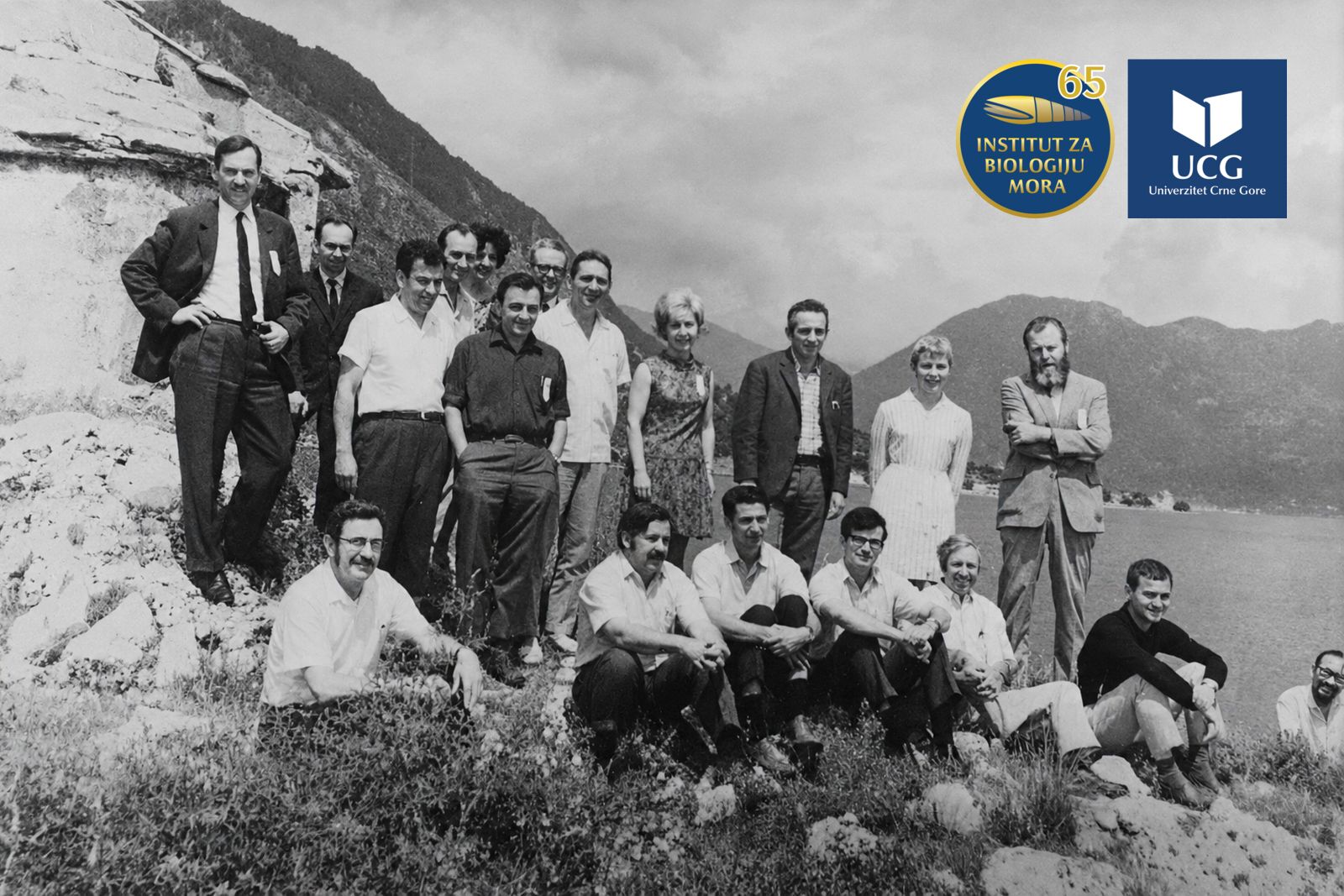
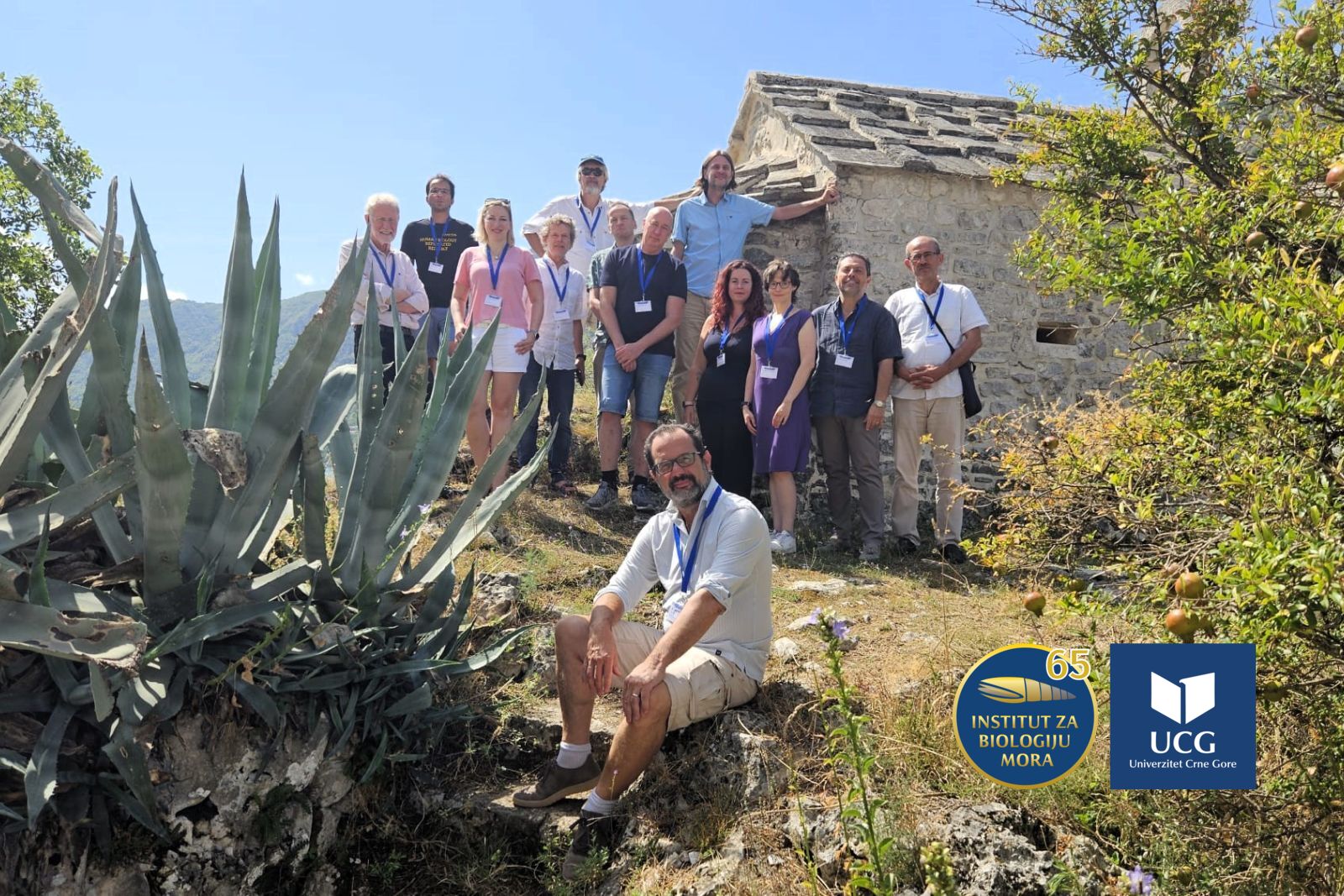
In the courtyard of the Institute of Marine Biology, next to the small Church of St Elijah, there is a stone that, at first glance, does not stand out from any of the other stones around it.
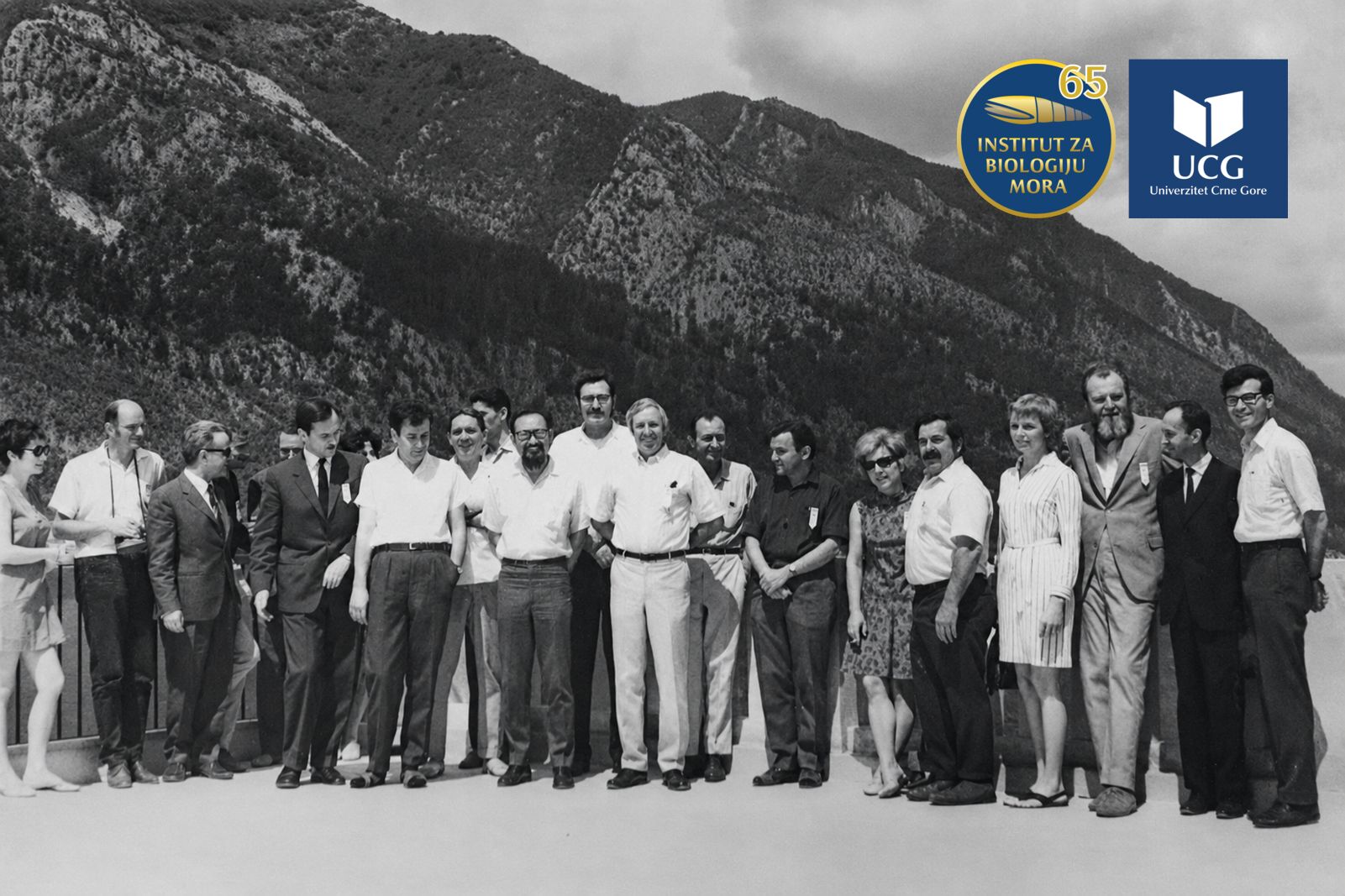
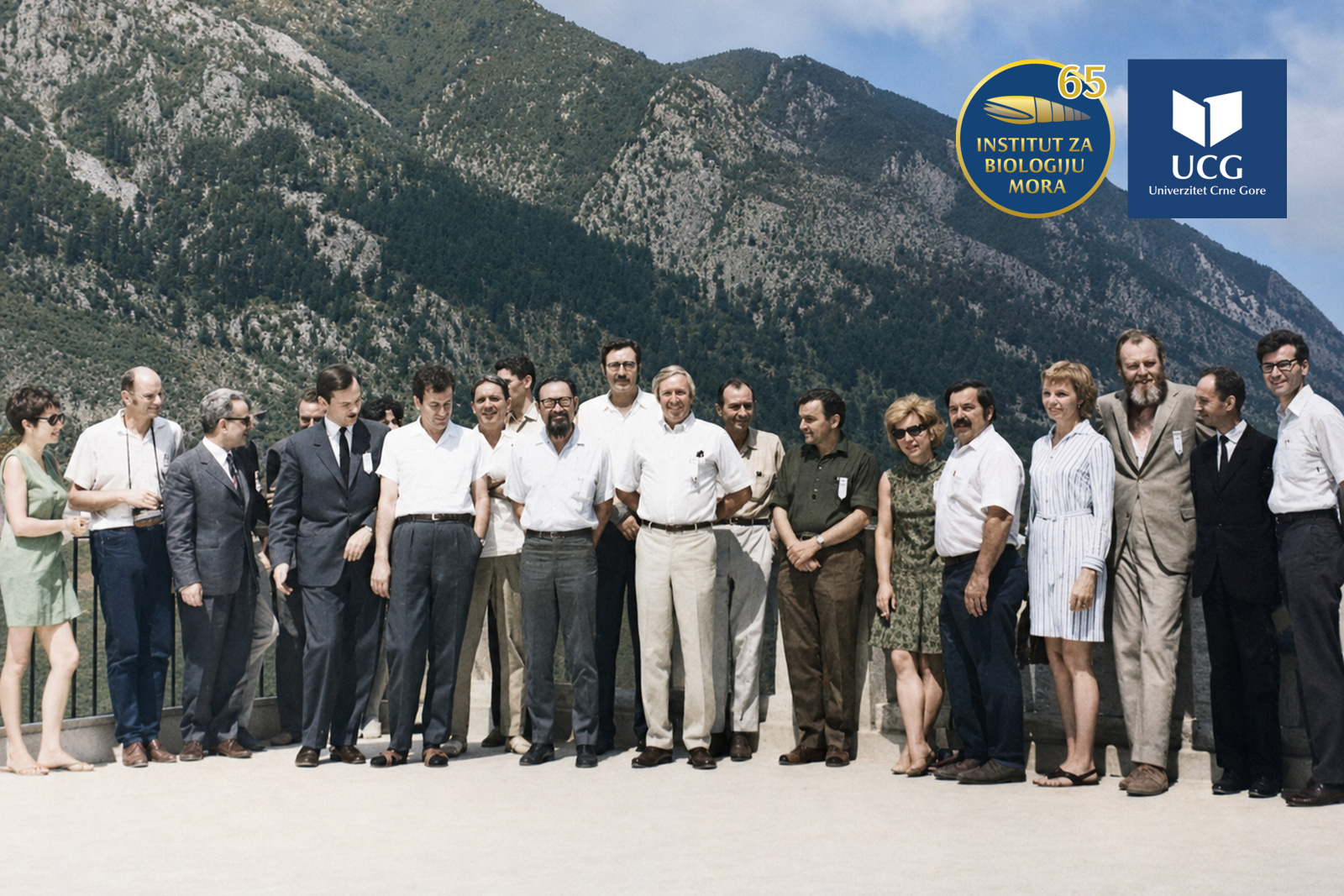
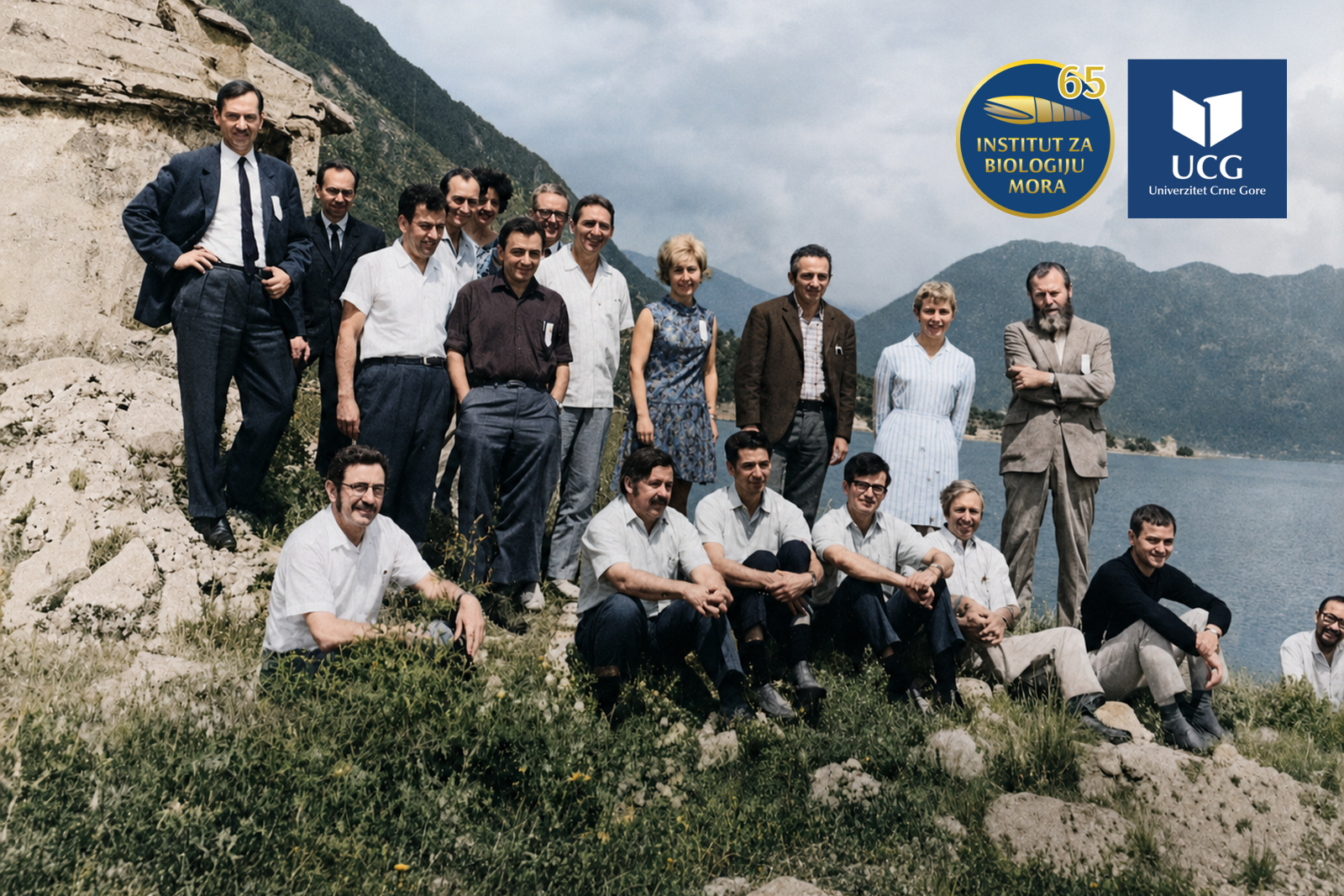
The Institute, housed in the Radoničić Palace, has a long history. And a long history, if it is at all respectable, usually comes with a legend or two. One of them takes us back to 1969, when an international workshop entitled “Neurophysiology and Behaviour” was held at the Institute of Marine Biology in Kotor. The workshop was organised in cooperation between the International Laboratory of Brain Research and the International Brain Research Organization, IBRO.
At that time, Kotor was an important venue for international scientific training in neurophysiology. The workshop brought together 45 young researchers, postdoctoral fellows and early-career university lecturers from several countries, while lecturers came from the USA, the USSR, Czechoslovakia, Poland, Yugoslavia, West Germany, France and Hungary. Among them were Academician Prof. Dr Ljubiša Rakić and Prof. Dr Radoslav Anđus.
Few could have imagined that one of the participants, then 25-year-old Erwin Neher, would, 22 years later in 1991, receive the Nobel Prize in Physiology and Medicine together with Bert Sakmann for discoveries concerning the function of single ion channels in cells, work that led to the development of the patch-clamp method.
So where does the stone come in?
According to the legend, supported by photographs and the recollections of participants, Erwin Neher sat on that very stone during his stay in Kotor, next to the Church of St Elijah. Since then, the stone has held a special place in the Institute’s informal mythology. The legend has it that scientists who sit on the stone have a chance of winning a Nobel Prize.
Scientifically speaking, the sample size is still modest. Statistical significance, as one might say, calls for further research. But tradition is tradition, and science is curious enough not to dismiss a hypothesis before it has been tested.
This year, NERKA, an international summer school dedicated to Academician Radoslav K. Anđus, will be organised at the Institute for the tenth time. Its organiser, Prof. Dr Pavle Anđus, regularly tells participants the story of the Nobel laureate’s stone, and every year at least someone sits on it.
So, if you find yourself in the Institute’s courtyard, next to the Church of St Elijah, and you notice an apparently ordinary stone, do not underestimate it.
You never know. It might just be the beginning of a very serious scientific career.
Photo Gallery
 |
 |
 |
Return to the main #65 page